👋Exciting news! UPI payments are now available in India! Sign up now →
7 OmniCard alternatives for corporate cards & UPI
Despite being one of India's better-known corporate prepaid and expense platforms, OmniCard’s experience hasn't been entirely smooth for everyone.
During our research, we came across several users discussing surprise subscription fees kicking in once full KYC is done. Other recurring complaints we noticed included accounts frozen for long stretches and slow support.
If you want faster payments and tighter control, this list of OmniCard alternatives is for you.











REVIEWED BY

Akanksh Muniyappa
Head of Product
WRITTEN BY

Mahasweta Bose
Content Writer
Quick summary of the best OmniCard alternatives
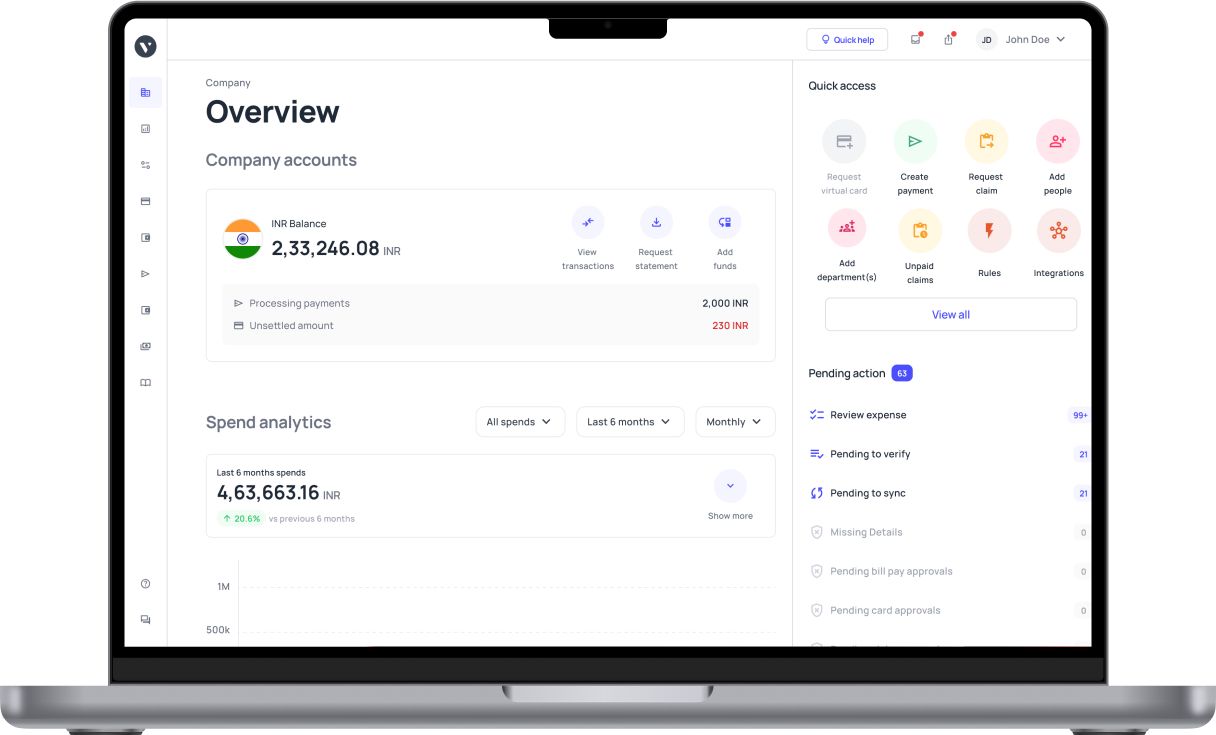
● Volopay: Best if you want an all-in-one spend management platform with UPI-enabled Visa cards, expense controls, bill payments, and accounting sync.
● EnKash: Best for businesses that want both prepaid and credit corporate cards.
● Zaggle: Best for larger teams managing employee spend across multiple card programmes.
● Happay: Best for combining corporate cards with travel and expense management.
● Karbon Card: Best for prepaid employee cards alongside cross-border business payments.
● Kodo: Best for procurement teams linking card spend with AP and vendor payments.
● RazorpayX: Best for corporate credit cards within a broader business banking setup.
| Platform | Best for | Cards & controls | Expense management | ERP integrations |
|---|---|---|---|---|
Volopay | Startups, SMEs, and growing teams | |||
EnKash | Businesses needing prepaid and credit cards | |||
Zaggle | Mid-sized companies and enterprises | |||
Happay | Travel and employee expense management | |||
Karbon Card | Cross-border payments and employee spending | Limited | ||
Kodo | Procurement and accounts payable teams | |||
RazorpayX | Corporate cards with business banking | Limited |
Get your team working with Volopay
Best overall
1. Volopay
What is it: Volopay is a Singapore-headquartered spend management platform for corporate cards, bill payments, and accounting automation. It added UPI support for Indian businesses, alongside physical and virtual card options.
Best for: Growth-stage startups, SMBs as well as enterprises that handle vendor payments, subscriptions, and travel expenses across several departments and want one dashboard instead of separate banking logins.
Integrations: Xero, QuickBooks, NetSuite, Zoho Books, Tally, MYOB, and Deskera, plus a universal CSV option for anything outside that list.
Best for flexible corporate spending
2. EnKash
What is it: EnKash is a Mumbai-based spend management platform offering corporate cards, expense tracking, and vendor payments, operating under RBI's Payment Aggregator and PPI licences. It also runs a payment gateway and voucher business alongside its card products.
Best for: Mid-size and enterprise businesses in India that need corporate cards, vendor payments, and GST-tagged expense tracking under one roof, without switching between separate tools.
Integrations: Tally, QuickBooks Online, SAP, Zoho Books, HubSpot, Freshdesk, ClearTax, and AWS, plus API access for custom builds.
Best for enterprises and large organisations
3. Zaggle
What is it: Zaggle is an NSE and BSE-listed Indian fintech, founded in 2011, offering prepaid cards, expense management, and employee benefit platforms. It has issued over 50 million prepaid cards through its banking partners.
Best for: Larger Indian companies running structured employee benefit programmes, branch-level petty cash, and tax filing alongside their corporate card spend, all under one vendor.
Integrations: Zoho, HubSpot CRM, Keka HR, ClearTax, and accounting systems through API access, alongside its own TDS, GST, and ITR filing tools.
Best for travel and expense management
4. Happay
What is it: Happay is a travel and expense platform covering prepaid cards, travel booking, expense capture, reimbursements, analytics, and invoice management.
Best for: Enterprises managing frequent employee travel, branch expenses, and card spending across larger teams with formal approval policies.
Integrations: Happay connects with SAP, Oracle, Tally, HRMS platforms, travel agencies, corporate cards, and other enterprise systems.
Best for startups and high-growth businesses
5. Karbon Card
What is it: Karbon Business is an Indian fintech platform covering corporate cards, foreign remittances, AI accounting, and other business finance services. Its corporate card product focuses on controlled employee spending, while Karbon FX handles international business payments.
Best for: Indian startups and SMEs handling employee expenses alongside regular overseas client receipts, supplier payments, or contractor payments.
Integrations: Karbon lists more than 100 app integrations, including Notion, Slack, Google Drive, and Intercom.
Best for corporate cards and expense management
6. Kodo
What is it: Kodo is an Indian spend platform covering corporate cards, accounts payable, vendor payments, reimbursements, procurement workflows, and finance integrations.
Best for: Mid-sized and larger businesses with high purchasing activity, formal approvals, and finance teams managing invoices alongside card spending.
Integrations: Kodo connects with Zoho Books, Tally, Oracle, Microsoft Dynamics, and SAP Business One. It also supports mailbox and WhatsApp workflows.
Best for UPI and integrated business payments
7. RazorpayX
What is it: RazorpayX is Razorpay’s business banking suite for current accounts, corporate credit cards, payouts, vendor payments, payroll, and API-led money movement. It also includes Escrow+, forex services, tax payments, and bank account verification. RazorpayX itself is not a bank.
Best for: Startups and larger businesses wanting corporate credit alongside payouts, vendor payments, payroll, and banking tools within one finance ecosystem.
Integrations: Razorpay supports 30+ integrations across its wider stack, including Zoho Books and QuickBooks. Payroll also connects with 25+ HRMS platforms.
What is the best OmniCard alternative in 2026?
OmniCard already covers prepaid cards, UPI payments, and basic expense tracking well. A stronger alternative should therefore add more around approvals, accounting sync, reimbursements, vendor payments, or international transfers.
The best choice depends on which of these areas creates the most manual work or control issues for your finance team.
How to choose the right OmniCard alternative for your business
Not all top OmniCard alternatives are created equal. The right option depends on how money moves through your business, not which platform has the longest feature list. Start with card usage, controls, costs, and payment workflows. Then check whether the platform can support your finance team as transaction volumes increase.
Domestic vs. international spending
Payment geography can remove several options from the shortlist quickly. Indian teams may prioritise UPI acceptance and domestic transfers. International businesses should compare forex costs, supported currencies, and remittance options. Volopay combines UPI-enabled cards with international transfers, while Karbon also focuses strongly on cross-border business payments.
Company size & number of cardholders
A five-person startup does not need the same card setup as a 500-person company. Check card limits, user permissions, and administrative controls first. Zaggle suits larger organisations managing several teams or locations. Smaller businesses may prefer a platform with simpler card issuance and fewer layers to configure.
Pricing & fee structure
Compare the full cost rather than focusing only on annual card fees. Look at issuance charges, platform subscriptions, forex mark-ups, and transaction fees. RazorpayX, for example, has no joining or annual fee on its corporate card. Custom-priced platforms require a closer quote comparison before committing.
Features & spend controls
Good controls should reflect how employees already spend company money. Look for individual limits, merchant restrictions, card freezing, and approval rules. EnKash supports controls across merchant categories, payment channels, and spending levels. More detailed controls become useful when several departments use cards for different purposes.
Expense management & automation
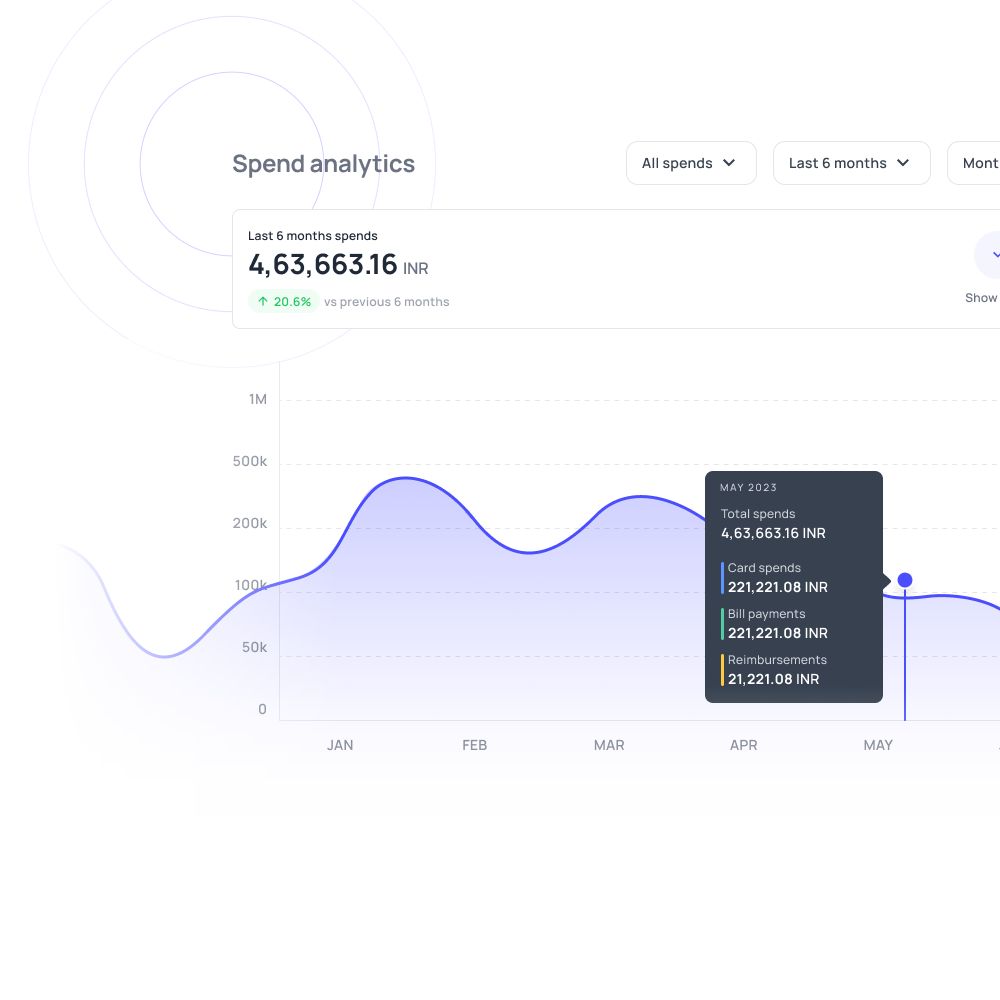
Card issuance alone will not reduce much finance work if expenses still need manual processing. Check receipt capture, reimbursements, approvals, and reconciliation. Happay works well when travel booking and expense workflows need to stay connected. Volopay is broader, combining cards, reimbursements, bill payments, approvals, and accounting sync within one spend management platform.
Rewards, cashback & benefits
Cashback can reduce costs, although it should never outweigh stronger controls or lower fees. Check earning limits and eligible categories carefully. Karbon offers cashback on qualifying corporate card spending. Another provider may deliver better overall value if its pricing or expense tools save more time each month.
Integrations & scalability
A new card platform should reduce reconciliation work rather than create another disconnected system. Check accounting, ERP, payroll, and API support before buying. Kodo connects with platforms such as SAP, Oracle, Tally, and Zoho Books. Strong integrations become more important as transaction volumes and approval layers grow.
FAQs
Yes. Karbon offers cashback on eligible corporate card spending, while some EnKash programmes include rewards for selected categories. Compare earning limits and exclusions carefully, since better controls or lower fees may deliver greater value overall.
Yes. EnKash supports merchant, channel, and spending restrictions, while Volopay adds card-level budgets and multi-layer approvals. These controls suit businesses where several departments spend independently, but finance still needs central oversight.
Happay is strong for travel and expense automation, including receipt capture, approvals, and policy checks. Volopay also combines cards with reimbursements, bill payments, and accounting sync, which can reduce manual finance work significantly.
Volopay, EnKash, Kodo, and Zaggle all support major accounting or ERP connections, including Tally and Zoho Books. The best choice depends on whether card, procurement, or wider spend data needs syncing.
Yes. EnKash offers both prepaid and corporate credit card options, while RazorpayX provides corporate credit cards through partner institutions. Zaggle also offers commercial credit cards, giving businesses alternatives to prepaid-only employee spending.
Zaggle and Kodo are better suited to larger organisations managing several teams, branches, or purchasing workflows. Their broader procurement, approval, and ERP capabilities can support more complex structures than a basic prepaid card setup.