Receivables collection software for fast recovery
Give collectors the context behind every overdue account, from customer history and payment commitments to active blockers. Follow the right next step without relying on fixed reminder cycles.
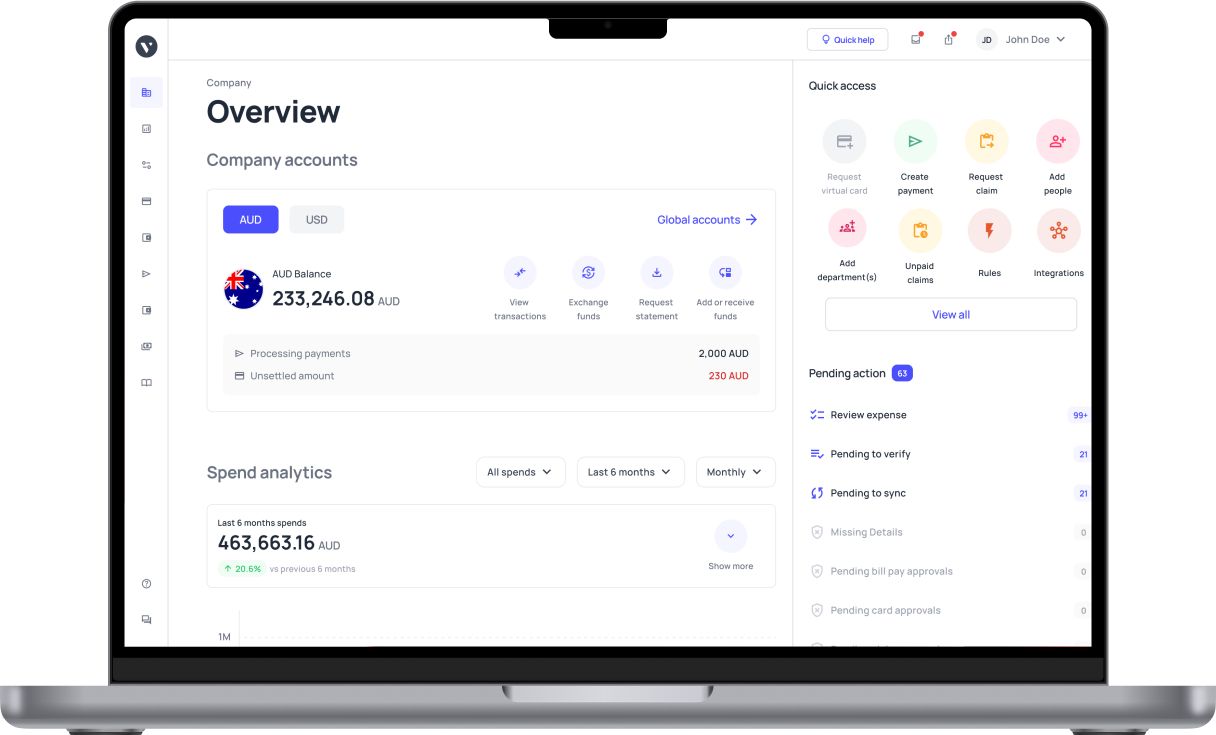













Handle overdue accounts with the right context
Prioritised worklists for smarter collections
Weigh account value, ageing, payment behaviour, customer sensitivity, broken commitments, and open blockers to decide where collection effort should go first.
Customer-specific collection playbooks
Set account-level rules for contact order, timing, channels, escalation, and communication style so different customer relationships receive the right treatment.
Two-way communication
Let replies, requests, documents, and new payment information alter the collection path instead of sending the next scheduled reminder regardless of what changed.
Promise-to-pay management
Record the amount, date, invoices, and conditions behind each commitment, then compare the promise with what is actually received.
Collection request handling
Handle routine requests for invoices, statements, credit notes, payment instructions and remittance details. Retrieve the approved document or information, verify the recipient and continue the collection workflow without creating another task for the collector.
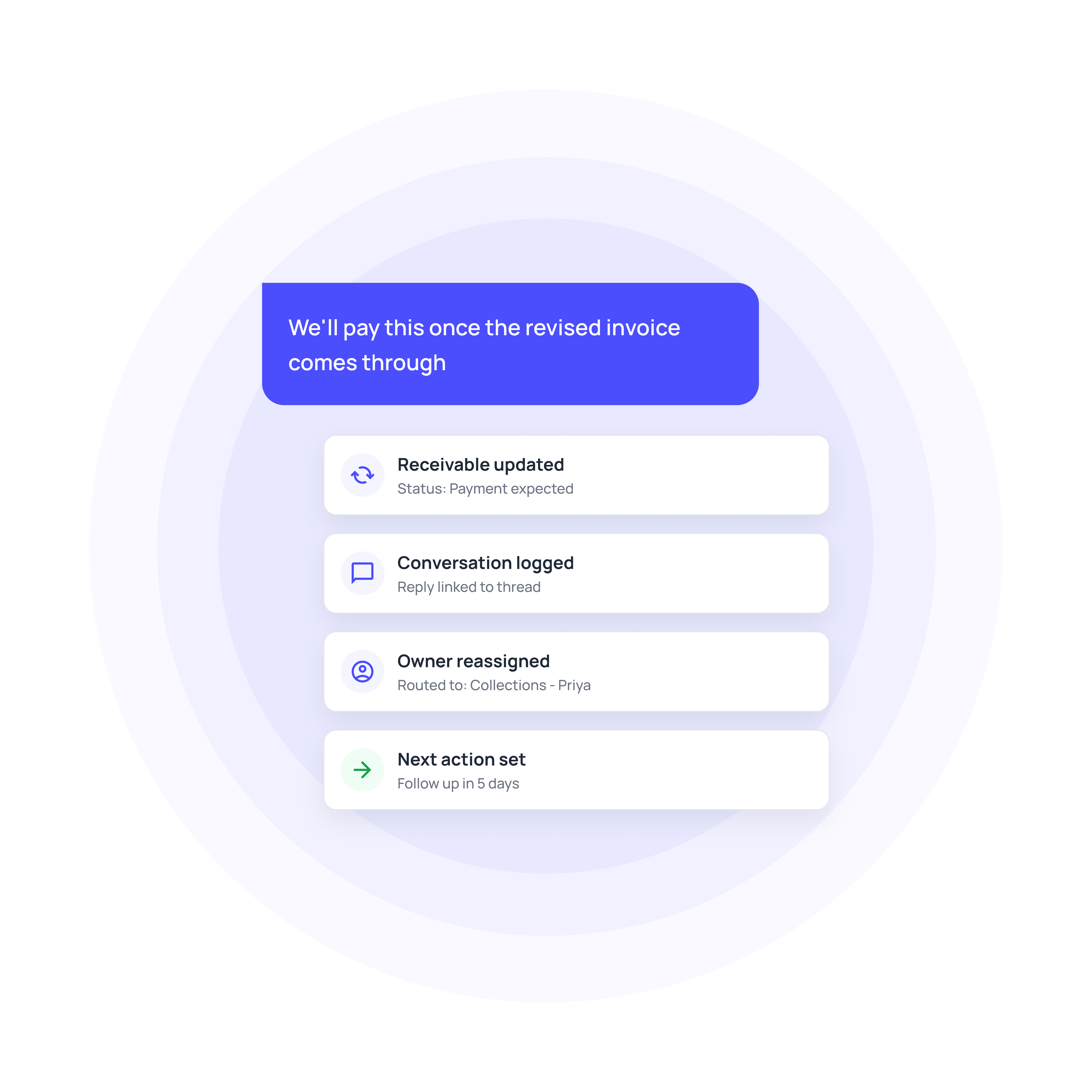
Contact discovery and repair
Detect bounced addresses, out-of-office replies, and role changes before another follow-up goes out. Permitted account and CRM information can help identify the right AP contact while preserving the reason for the change.
Payment access in the conversation
Offer secure invoice or account payment links where enabled, with available methods and partial-payment options reflected. Payment status is still verified through the banking or payment system before the account is treated as paid.
Automate collections without losing human control
The controls behind better collections
Autonomy is configured per action
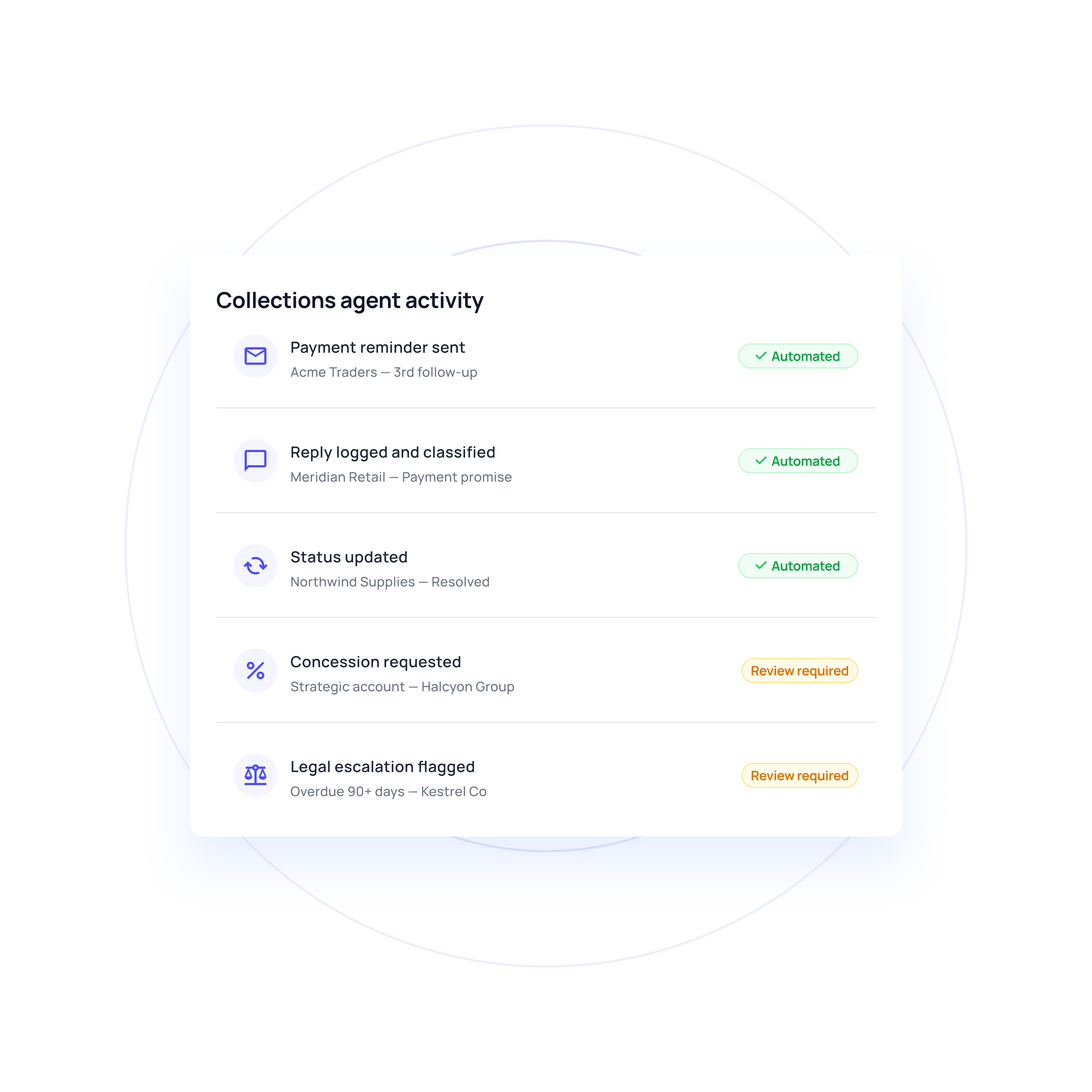
Let standard collection work run within approved boundaries while routing sensitive cases for review. The same controls can cover recipients, attachments, wording, discounts, write-offs, and escalation.
Internal coordination and escalation
Coordinate decisions across account managers, customer support, and finance approvers using the relevant evidence. Escalated work keeps one owner and a defined condition for returning to collections.
Stop and resume conditions
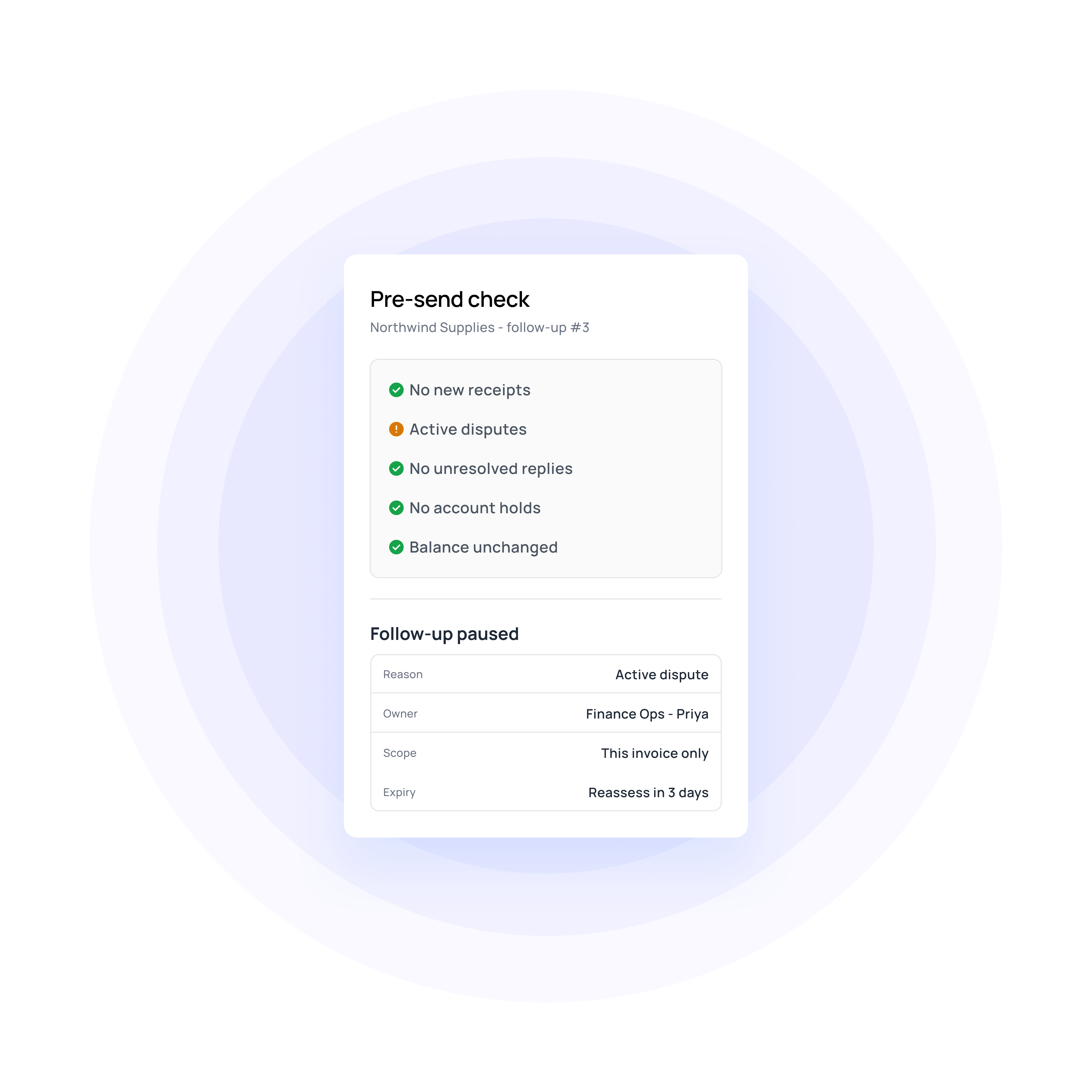
A new payment, dispute, hold, reply, or balance change can alter the collection path. Pauses carry an owner and expiry, so work is reassessed before outreach restarts.
Collection reporting
Track overdue balances, promises, responses, blocked work, and collection outcomes. Distinguish cash received from actions taken to understand what is changing across the portfolio.
Collection workflows built around account context
Large Australian customer portfolios can make ageing alone a poor guide to collection priority. Use account value, payment behaviour, broken commitments and active blockers to decide which receivables need attention first.
Large customers may require POs, supporting documents, portal submission or specific invoice details before they progress payment. Surface the blocker, assign the next action and keep collection activity tied to its resolution.
A missed promise needs more context than another reminder. Track the promised date, amount and covered invoices against later receipts, then adjust the next collection action when the commitment changes or breaks.
Pricing, service, delivery or GST-related invoice queries may affect only part of a receivable. Keep the contested amount under the relevant dispute workflow while collections continues on amounts the customer has not challenged.
Customer AP contacts change, people move roles and shared inboxes stop reaching the right person. Use permitted account and CRM information to identify a replacement contact before another collection message goes to an outdated address.
From collection activity to collection control
Manual or legacy collections | Volopay approach |
|---|---|
Ageing becomes the main trigger for follow-up | Payment terms, promises, disputes, holds and account activity shape the next collection action |
Invoice queries sit outside the collection process | Collectors can work with the invoice, requested documents, payment details and customer context without rebuilding the case elsewhere |
Customer AP requirements look like payment delays | PO requests, portal requirements, missing documents and other blockers become defined work with a clear route forward |
Generic reminder cycles treat different customer processes the same | Account-specific playbooks reflect customer requirements, communication timing, holds and escalation paths |
A payment received does not immediately close the loop | Confirmed payment evidence can update the collection state and pass remittance context to cash application for allocation |
They loved Volopay, you will too
FAQs
Volopay prioritises open receivables using overdue value, ageing, payment history, broken promises, customer sensitivity, risk signals, and active blockers. It explains each priority and lets finance override it without losing the rationale behind that decision.
Volopay brings receivable records, recent conversations, payment activity, contact ownership, commitments, disputes and workflow status into the collection process. Collectors can review the current account context before choosing or executing the next permitted action.
Yes. Volopay can automate permitted collection follow-ups across approved channels. It respects customer preferences, consent, regional policy, frequency limits, holds, and changing workflow conditions. Sensitive actions can require review before a message is sent.
Volopay records promised dates, amounts, covered invoices and conditions, then compares each commitment with later payment evidence. When a customer disputes part of a receivable, the contested amount follows its applicable case policy while collections continues on eligible undisputed balances.
Volopay escalates cases when configured rules require human judgement, including missed internal SLAs, repeated customer silence, disputed policy, high-value concessions and sensitive accounts. Human takeover pauses automated replies until the team hands the conversation back.
Finance retains authority over sensitive customer relationships, negotiations outside approved limits, material concessions, write-offs, legal recovery and other higher-risk exceptions. Volopay handles permitted routine work within configured boundaries and routes decisions requiring commercial judgement to people.
Bring Volopay to your business
Get started now