Manage deductions from case to resolution
Automate repetitive dispute workflows, from evidence gathering and case routing to follow-ups and permitted next actions, while keeping material decisions with the right people.
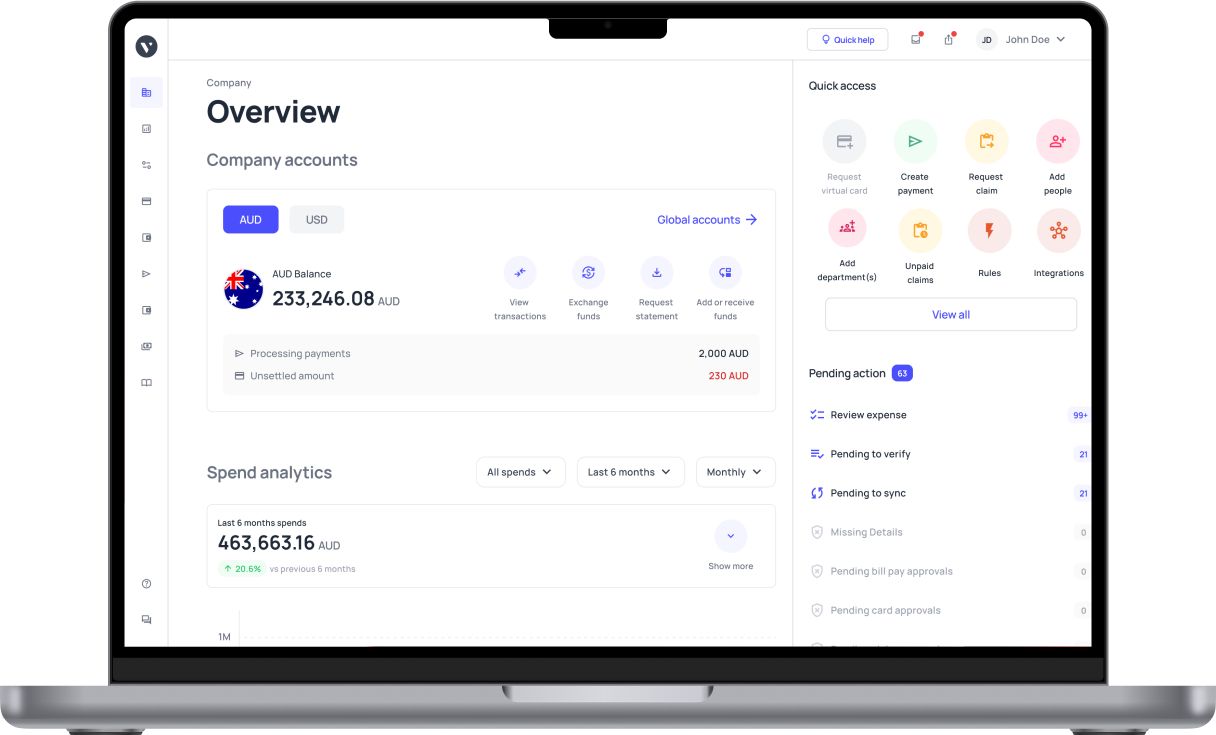













Turn deduction handling into a connected workflow
Context follows every case
Invoices, correspondence, supporting evidence, and case activity stay together, giving reviewers the full context needed to assess each dispute.
Ownership is built into the workflow
Each case reaches the appropriate business owner with clear accountability, reducing handoffs and keeping investigations moving.
Routine work progresses automatically
Repeatable evidence gathering, routing, and follow-ups happen within configured rules, reducing manual intervention across everyday cases.
Complex cases receive the right review
Ambiguous cases and material decisions reach the right people, while routine conditions can follow automated logic.
Short payment management
Organize short pays around their underlying exception type. Teams can distinguish pricing, service, delivery, and other issues while maintaining consistent visibility across open deductions.
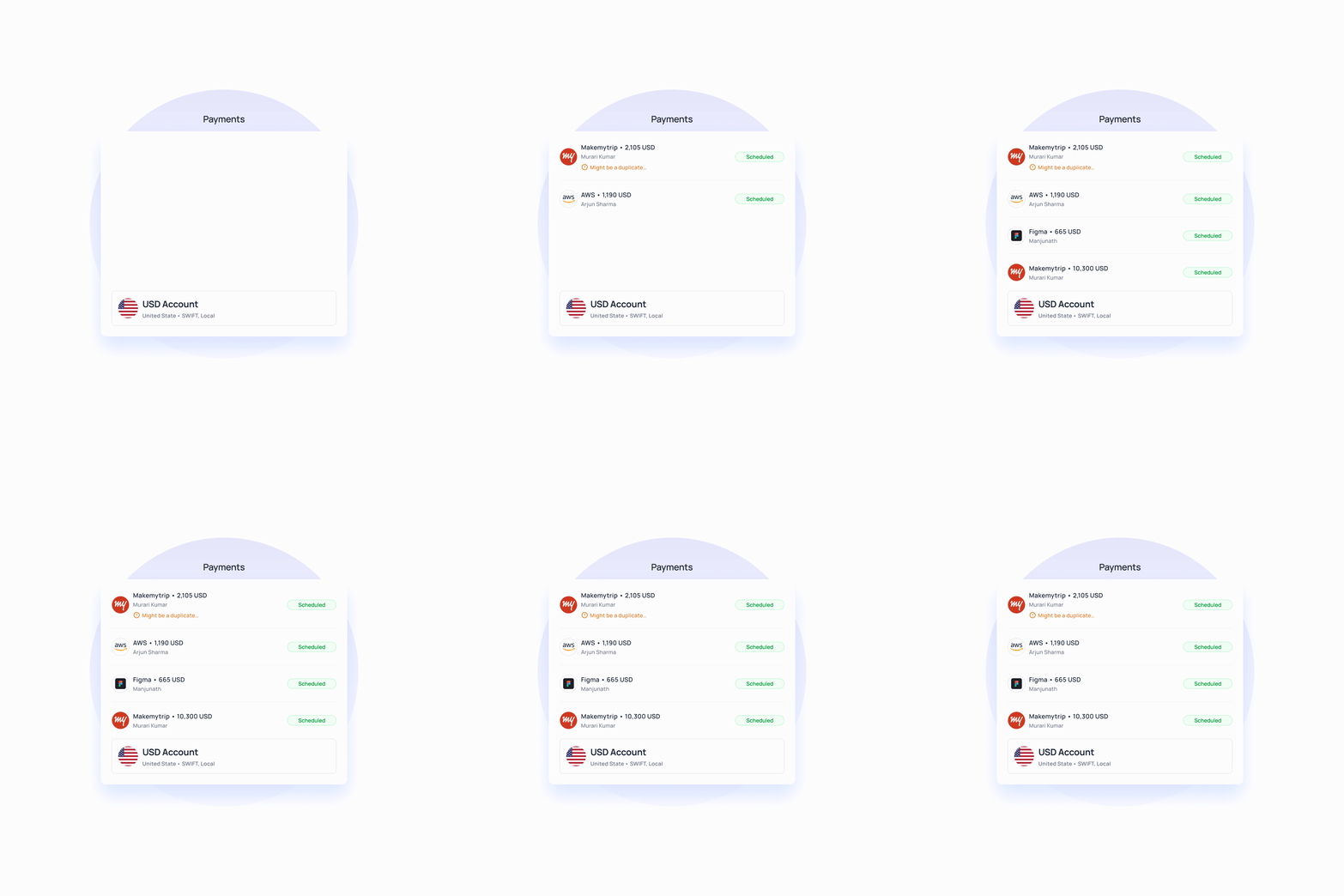
Invoice dispute workflows
Structure dispute cases around the nature of each exception. Different dispute types can follow appropriate workflows without forcing every case through the same resolution process.

Deduction resolution visibility
Monitor case age, cycle time, backlog, and outcomes across deductions. Teams gain a clearer operational view of where cases progress smoothly and where they remain unresolved.

Streamline your disputes and deductions process
More ways to move deductions toward resolution
Automatic case creation and deduplication
Detect dispute signals across connected emails, support tickets, portal records, and remittances. Capture the customer, invoice, amount, and asserted reason, while updating an existing case when related evidence is already available.
Reason classification and claim validation
Classify deductions by configured reason, then compare claimed prices, quantities, discounts, and terms against the relevant evidence. Supporting facts, conflicting information, missing evidence, and proposed conclusions stay visible for review.
Missing-evidence follow-up
Request the specific document, invoice reference, or explanation needed to move a case forward. Schedule follow-ups, route unanswered requests by SLA, and reassess the case when new evidence arrives.
Approval routing
Route decisions to the right commercial, operational, or finance owner based on business rules, amount thresholds, entity boundaries, and separation of duties. Approvers receive the proposed action with its supporting evidence and can escalate overdue decisions.
Built for the realities of high-volume AR
As invoice and payment volume grows, short-pays can outpace the team's capacity to investigate each one. Deduction automation software classifies every case by reason and gathers the evidence, so teams focus on the deductions worth pursuing.
Short-pays trigger investigation across emails, contracts, portals, and documents. Volopay assembles the invoice, correspondence, and supporting evidence against each case, so no one rebuilds the story before acting.
Disputes drift between finance, sales, and operations while cases sit and age. Each case routes to the right business owner with evidence attached, so accountability is clear from the first step.
Manual deduction work vs. the Volopay approach
Manual deduction work | The Volopay approach |
|---|---|
Disputes sit across emails and spreadsheets. | Evidence, decisions, and actions stay connected to each case. |
One disputed line can block the full balance. | Undisputed amounts continue through collection and cash application. |
Ownership changes across teams and analysts. | Ownership, thresholds, and approvals follow configured rules. |
A decision is made, but the financial action remains open. | Commercial decisions stay linked to verified financial completion. |
Managers see open cases without the full picture. | Resolution, recovery, outcomes, and root causes remain visible. |
Manual deduction work vs. the Volopay approach
Manual deduction work | The Volopay approach |
|---|---|
Disputes sit across emails and spreadsheets. | Evidence, decisions, and actions stay connected to each case. |
One disputed line can block the full balance. | Undisputed amounts continue through collection and cash application. |
Ownership changes across teams and analysts. | Ownership, thresholds, and approvals follow configured rules. |
A decision is made, but the financial action remains open. | Commercial decisions stay linked to verified financial completion. |
Managers see open cases without the full picture. | Resolution, recovery, outcomes, and root causes remain visible. |
They loved Volopay, you will too
FAQs
Volopay detects dispute signals from connected emails, support tickets, portal records, and remittances. It captures the customer, invoice, amount, and reason, while distinguishing customer claims from fees, withholding, allocation errors, and other payment differences.
Yes. Volopay assembles the invoice, correspondence, and supporting documents against each case as it forms. Your team works from one place instead of searching email, ERP, and portals to rebuild the story.
Once evidence is gathered, Volopay routes each case to the appropriate business owner with the context attached. Ownership is clear from the first step, so cases stop drifting between finance, sales, and operations.
Volopay tracks each case through decision, communication, and financial completion. A rejected claim can still await recovery, while an accepted claim can await credit posting. Both stages remain visible until the required action is complete and verified.
Material credits, concessions, write-offs, legal positions, and sensitive disputes require human review or approval. Negotiations outside configured terms and decisions beyond defined authority also require the appropriate approver before action.
Bring Volopay to your business
Get started now