11 Navan alternatives for expense management

Navan is one of those tools that works really well at first. Booking travel is fast. The interface is clean. Everything sits in one place. However, growing businesses often need features that better match their finance operations. 


Depending on your priorities, another platform may offer stronger automation, wider integrations, or lower costs. This article explores the best Navan alternatives available in 2026. We reviewed user feedback, compared how these tools perform in real workflows, and focused on where each option genuinely stands out.
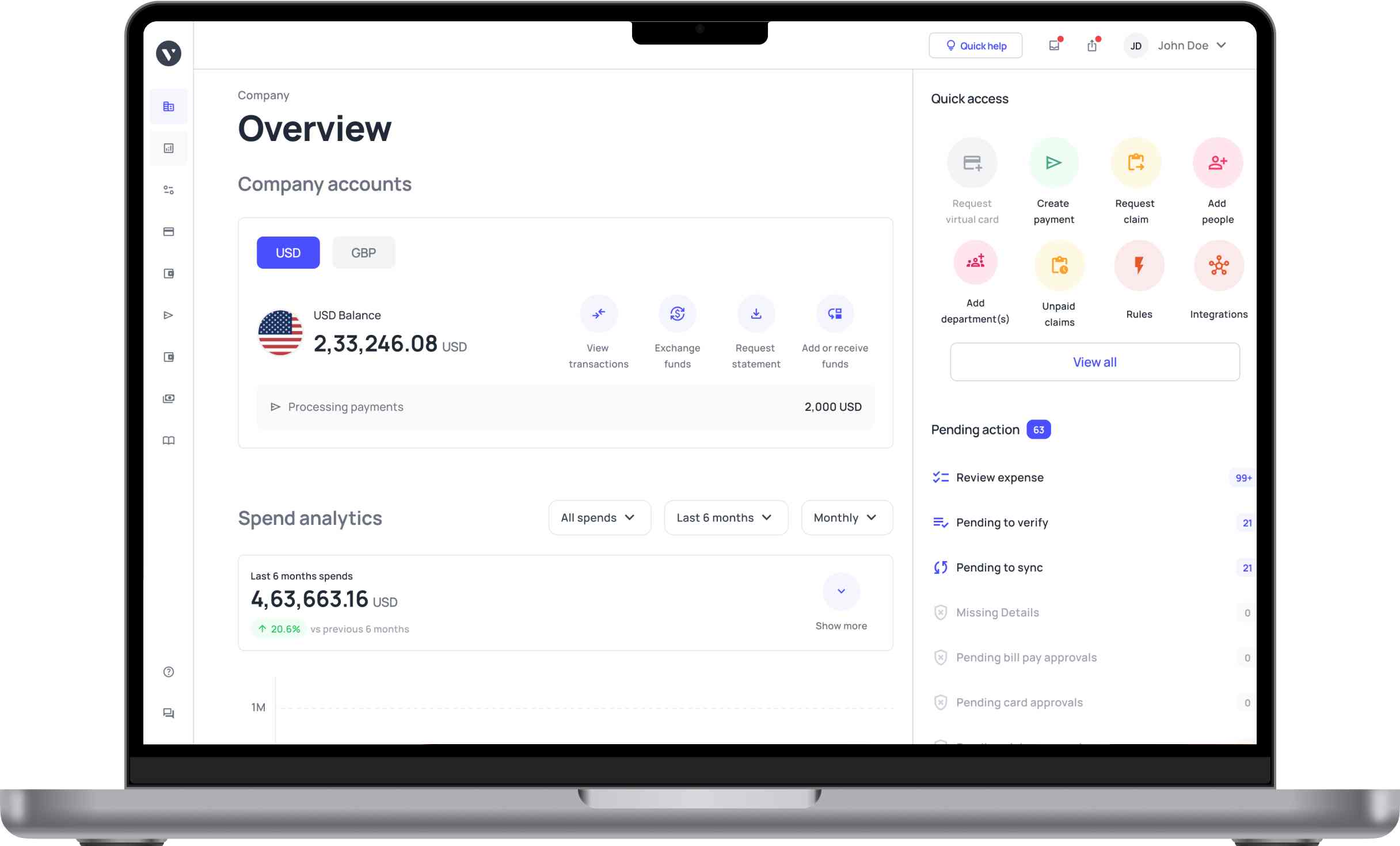

Dashboard
G2 - Fastest implementation 2025
G2 - Best support 2025
G2 - Leader 2025
G2 - Easiest setup 2025
G2 - Easiest admin 2025
G2 - Highest user adoption 2025
G2 - High performer 2025
Trusted by 1000+ powerful business
Atlan

REVIEWED BY

Akanksh Muniyappa

Akanksh Muniyappa

Head of Product

WRITTEN BY

Shahla Jabbeen

Shahla Jabbeen

Content Writer

12 August 2026
Fact checked

Quick summary of the best Navan alternatives

● Volopay: Best all-in-one platform for spend, AP, and expense management


● Brex: Best for startups and high-growth companies


● Expensify: Best for mid-size companies needing simple expense workflows


● SAP Concur: Best for enterprises with complex compliance needs


● TravelPerk: Best for corporate travel management


● Ramp: Best for spend management and operational visibility


● Airbase: Best for finance workflow automation


● Zoho Expense: Best for small businesses and lean teams


● Spendesk: Best for distributed team spending


● TravelBank: Best for budget-conscious travel booking


● Divvy: Best for proactive budget controls

ToolBest forKey featuresPricing model
Volopay
All-in-one finance operations


Cards + AP + expenses


Subscription


Brex
Startups & scaling companies


Corporate cards


Tiered


Expensify
Expense reportingReceipt scanningSubscription
SAP Concur
EnterprisesCompliance workflowsEnterprise pricing
TravelPerk
Corporate travelFlexible bookingSubscription
Ramp
Spend managementCost insightsFree + paid
Airbase
Finance automationAP + approvalsCustom pricing
Zoho Expense
SMB expense trackingAffordable workflowsFreemium
Spendesk
Distributed spendingBudget visibilitySubscription
TravelBank
Travel bookingBudget-friendly travelSubscription
Divvy
Budget controlsReal-time limitsFree

Get your team working with Volopay

Experience modern expense management

Best all-in-one platform

1. Volopay


Overview

Features

Pros and cons

Why it's a better alternative?

Best for: Businesses that want full control over spending, payments, and expenses in one place


Solutions: Startups, SaaS companies, agencies, and teams operating across multiple regions


Integrations: QuickBooks, Xero, NetSuite, and Other ERP and accounting systems

Best for startups and high-growth companies

2. Brex


Overview

Features

Pros and cons

Why it's a better alternative?

Best for: Startups and scaling companies that rely heavily on operational spending and corporate cards


Solutions: Venture-backed startups, tech companies, and fast-growing teams


Integrations: QuickBooks, NetSuite, and Xero


Pricing: Tiered pricing depending on usage and features

Best for mid-size companies

3. Expensify


Overview

Features

Pros and cons

Why it's a better alternative?

Best for: Mid-sized businesses looking for straightforward expense reporting and reimbursements


Solutions: Consulting firms, agencies, service companies, and teams with frequent employee expenses


Integrations: QuickBooks, Xero, and NetSuite


Pricing: Subscription-based pricing

Best for enterprises

4. SAP Concur


Overview

Features

Pros and cons

Why it's a better alternative?

Best for: Enterprises managing large-scale travel, expense, and compliance workflows across multiple regions


Solutions: Global enterprises, regulated industries, and organizations with layered approval structures


Integrations: SAP ecosystem, ERP platforms, HR systems, and Accounting software


Pricing: Enterprise-level custom pricing

Best for corporate travel management

5. TravelPerk


Overview

Features

Pros and cons

Why it's a better alternative?

Best for: Companies that want flexible, travel-first management without overly rigid booking workflows


Solutions: Businesses with frequent employee travel, distributed teams, and international booking requirements


Integrations: HR systems, expense management tools, and accounting platforms


Pricing: Subscription pricing with additional travel-related fees depending on usage

Best for spend management

6. Ramp


Overview

Features

Pros and cons

Why it's a better alternative?

Best for: Companies focused on controlling operational spending and improving visibility into expenses


Solutions: SMBs, startups, and finance teams prioritizing automation and cost reduction


Integrations: QuickBooks, NetSuite, and Xero


Pricing: Free core platform with optional premium features

Best for finance workflow automation

7. Airbase


Overview

Features

Pros and cons

Why it's a better alternative?

Best for: Businesses that want tighter AP workflows and approval automation alongside expense management


Solutions: Finance teams managing invoices, approvals, reimbursements, and operational spending


Integrations: NetSuite, QuickBooks, and ERP systems


Pricing: Custom pricing based on business size and workflows

Best for small business expense management

8. Zoho Expense


Overview

Features

Pros and cons

Why it's a better alternative?

Best for: Small businesses looking for affordable and straightforward expense management


Solutions: SMBs, lean finance teams, and businesses with simple reimbursement workflows


Integrations: Zoho ecosystem, accounting software, and ERP systems


Pricing: Freemium model with paid upgrades based on users and features

Best for distributed team spending

9. Spendesk


Overview

Features

Pros and cons

Why it's a better alternative?

Best for: Mid-sized companies managing decentralized employee spending across multiple departments


Solutions: Distributed teams, growing businesses, and companies managing multiple budgets simultaneously


Integrations: QuickBooks, Xero, and NetSuite


Pricing: Subscription-based pricing

Best for travel booking

10. TravelBank


Overview

Features

Pros and cons

Why it's a better alternative?

Best for: Businesses that want simple, budget-conscious travel booking and expense management


Solutions: SMBs, distributed teams, and companies managing recurring employee travel


Integrations: Accounting software, HR systems, and expense management platforms


Pricing: Subscription pricing based on company size and usage

Best for budget controls

11. Divvy


Overview

Features

Pros and cons

Why it's a better alternative?

Best for: Businesses that want proactive budget enforcement tied directly to employee spending


Solutions: SMBs, operational finance teams, and businesses managing recurring departmental expenses


Integrations: QuickBooks, NetSuite, and accounting software


Pricing: Free platform with revenue generated through interchange fees

When choosing a Navan alternative, businesses should consider factors such as travel and expense management, spend controls, automation, integrations, pricing, and global payment capabilities.


The right platform will depend on the company’s size, travel requirements, finance workflows, and whether the team needs a travel-focused tool or broader control over day-to-day spending and expenses.
What is the best Navan alternative in 2026?

Choosing the right alternative depends on how your business operates, not just the features listed on a product page.

Company size


Smaller teams may prefer simplicity, while larger organizations often need structured workflows and deeper controls. Company size can not only impact the subscription you opt for, but also the amount you pay for it. Consider how you plan to scale and your team sizes before opting for tools and contracts.

Budget and pricing


Costs can scale quickly depending on usage, so it is important to understand how pricing works over time. It is also important to consider that some features might be locked behind higher pricing plans. Consider what features you need in the coming years, not just in the present. Also take into account what you’re willing to pay and the return on investment before deciding.

Feature requirements


Some businesses need travel booking, others need expense tracking, and some need full spend management. Feature requirements also change from industry to industry and team to team. A marketing agency requires better SaaS subscription management and vendor payments, while a software sales company might need international payment coverage and T&E management. Look into your team’s specific requirements and which features they can benefit from.

Integrations


Strong integration with accounting and ERP systems reduces manual work and redundancy. It saves time and effort, and can boost productivity so that your team is focused less on menial tasks and data duplication instead of strategic work. Take into account your tech stack and how it should connect seamlessly before choosing a spend management tool.

Scalability


The platform should be able to grow with your business without requiring a complete switch later. You need a tool that lets you add users without paying a fortune, creates informative reports, has customizable controls, and integrates seamlessly for easier compliance at a larger scale. Choose a tool that grows easily and requires minimal intervention as your operations expand.

Customer support


Support quality becomes important when dealing with financial operations. You don’t want service disruptions, and you especially don’t want to feel stranded when they occur. You need a platform that offers round-the-clock support across multiple channels so that users aren’t left stuck and business operations aren’t negatively impacted.

International capabilities


Multi-currency support and global payments matter for companies operating across regions. Whether you’re setting up multiple entities, paying international vendors, hiring globally, or simply entering new markets, you need tools that handle payments across borders. You should also consider tool with competitive FX charges, low international transaction fees, and multi-currency wallets to be able to pay in multiple locations.

Get your team working with Volopay

Experience modern expense management
Request a demo

FAQs

Why do companies look for Navan alternatives specifically for expense management?

Many companies find that while Navan works well for travel booking, its expense management features may not be as deep as expected. As businesses grow, they often need more control, automation, and integration with financial systems.

Which Navan alternative has the easiest expense submission process for employees?

Tools like Expensify and Brex are known for their simple and fast expense submission processes. They focus on reducing friction for employees, which helps ensure expenses are submitted on time.

Which Navan alternative is best for automating expense reports?

Platforms like Ramp and Spendesk offer stronger automation features, helping finance teams reduce manual work and improve efficiency in reporting.

Are there free Navan alternatives for expense management?

Some tools, such as Zoho Expense and Ramp, offer free or freemium plans with basic functionality. These can be suitable for smaller teams with simpler needs.

Can I switch from Navan to another expense tool without losing historical data?

In most cases, yes. Many platforms allow data imports, and migration tools are often available. The process may require planning, especially for larger datasets.

Is Navan worth it?

Navan can be a strong option for companies that prioritize travel booking and convenience. However, for businesses that need deeper expense management or broader financial control, exploring alternatives may provide a better fit.