10 Coupa alternatives for smarter procurement
Coupa is a business spend management platform that handles procurement, sourcing, invoicing, expenses, and supplier workflows for mid-market and enterprise organizations. It is one of the most established names in the category.
Teams look for Coupa alternatives for specific reasons. Pricing is quoted rather than published, so the cost is hard to scope up front. A full source-to-pay rollout is a program measured in quarters. Workflows are built around a dedicated procurement function, which many growing companies do not have.
This guide covers 10 Coupa alternatives and what each one is actually built for, so you can shortlist by the problem you are solving rather than by feature count.









REVIEWED BY

Akanksh Muniyappa
Head of Product
WRITTEN BY

Shahla Jabben
Content Writer
Quick summary of the best Coupa alternatives
Underneath is a broader comparison of the key capabilities offered by each platform:
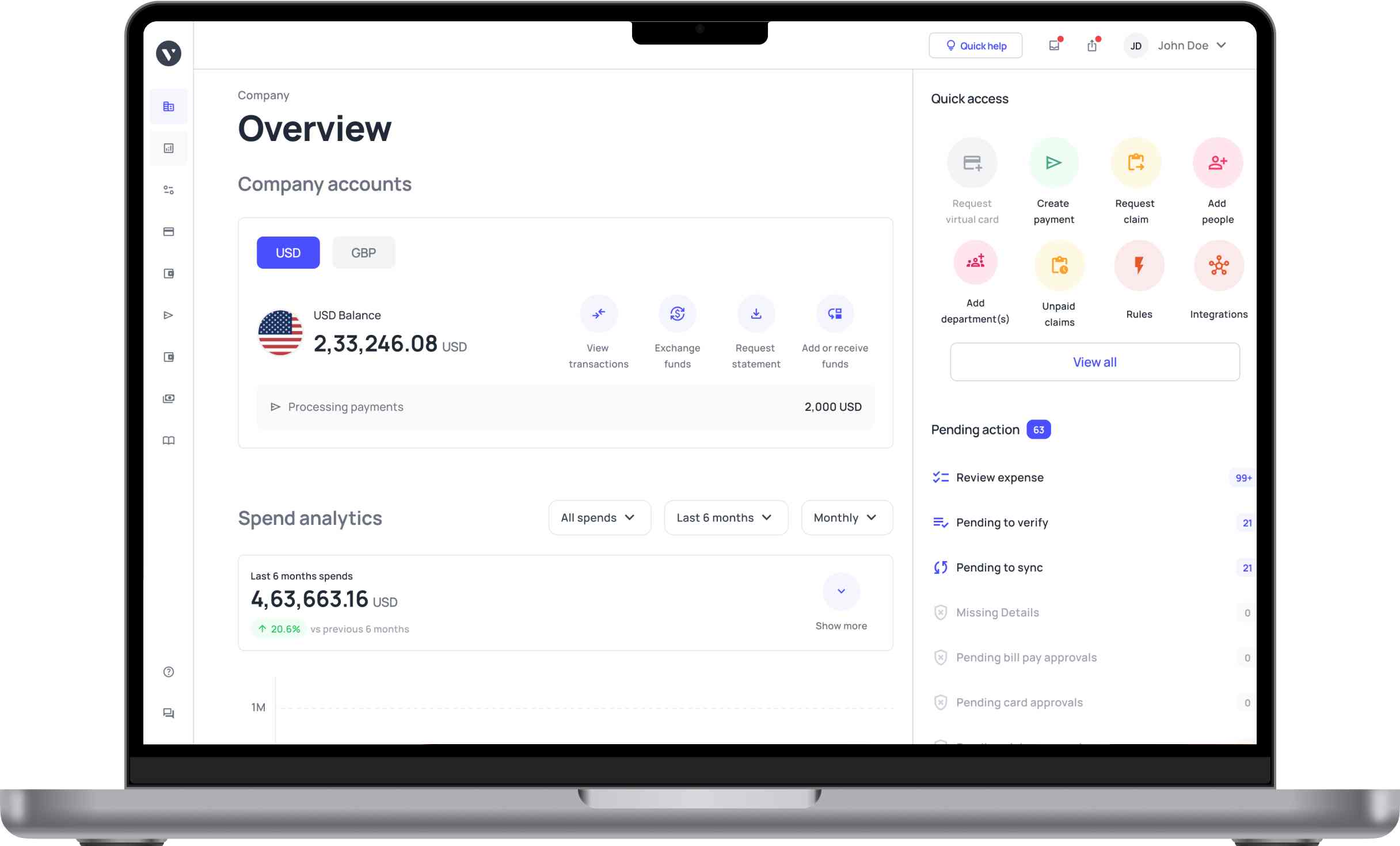
● Volopay: Best overall for unified spend management, corporate cards, AP automation, and global payments
● Ramp: Best for startups and high-growth companies looking for automation and fast implementation
● Procurify: Best for mid-market procurement teams needing purchasing controls and spend visibility
● SAP Ariba: Best for enterprises already operating within the SAP ecosystem
● Stampli: Best for AP automation and invoice collaboration workflows
● Tipalti: Best for high-volume global payments and supplier payout automation
● Precoro: Best for budget-friendly and user-friendly procurement management
● GEP SMART: Best for global procurement, sourcing, and compliance-heavy operations
● Zip: Best for intake-to-procure orchestration and procurement workflow management
● Basware: Best for enterprise e-invoicing and global compliance requirements
| Tool | Best For | Setup | Approvals | Procurement | Automation | Pricing |
|---|---|---|---|---|---|---|
Volopay | Unified spend management | Fast implementation | Flexible multi-level workflows | Strong procurement and spend controls | AP, expenses, cards, and payments automation | Custom pricing |
Ramp | Startups and scaling teams | Very fast onboarding | Lightweight approval controls | Basic procurement workflows | AI-driven spend automation | Custom pricing |
Procurify | Mid-market procurement | Moderate setup | Strong purchasing approvals | Procurement-focused workflows | Purchasing and budget automation | Custom pricing |
SAP Ariba | Large enterprises | Complex enterprise deployment | Advanced enterprise governance | Deep sourcing and supplier management | Enterprise procurement automation | Enterprise pricing |
Stampli | AP automation | Faster than enterprise suites | Invoice-centric approvals | Limited procurement functionality | AI-powered invoice automation | Custom pricing |
Tipalti | Global supplier payouts | Moderate implementation | AP approval workflows | Limited sourcing functionality | Global payment automation | Tiered pricing |
Precoro | SMB procurement | Easy implementation | Simple approval routing | Strong SMB procurement controls | Budget and PO automation | Subscription pricing |
GEP SMART | Global procurement | Enterprise-level deployment | Highly customizable workflows | Advanced sourcing and compliance | Enterprise procurement automation | Enterprise pricing |
Zip | Intake orchestration | Moderate implementation | Cross-functional approvals | Intake-to-procure workflows | Workflow orchestration automation | Custom pricing |
Basware | E-invoicing compliance | Complex enterprise setup | AP-focused approval controls | Limited procurement depth | Invoice and compliance automation | Enterprise pricing |
Get your team working with Volopay
Best overall
1. Volopay
Best for: Businesses looking for a unified platform combining spend management, procurement workflows, corporate cards, AP automation, and global payments.
Solutions: Startups, mid-market businesses, distributed teams, technology companies, agencies, logistics businesses, and global organizations managing multi-entity spend operations.
Integrations: NetSuite, Xero, QuickBooks, Microsoft accounting tools, and ERP integrations
Pricing: Custom pricing
Best for startups and high-growth teams
2. Ramp
Best for: Startups and high-growth companies looking for fast, automation-focused spend management and corporate card workflows.
Solutions: SaaS companies, venture-backed startups, distributed teams, fast-scaling businesses, and finance teams prioritizing automation and efficiency.
Integrations: NetSuite, QuickBooks, Xero, Sage Intacct, Slack, and ERP integrations
Pricing: Custom pricing based on company requirements
Best for unified spend management
3. Procurify
Best for: Mid-market businesses looking for a balanced procurement platform with strong purchasing controls, spend visibility, and user-friendly workflows.
Solutions: Manufacturing companies, healthcare organizations, educational institutions, retail businesses, construction firms, and finance teams managing decentralized purchasing operations.
Integrations: NetSuite, QuickBooks, Sage Intacct, Xero, Microsoft Dynamics, and ERP integrations
Pricing: Custom pricing based on business requirements
Best for enterprises
4. SAP Ariba
Best for: Large enterprises requiring highly scalable procurement, sourcing, supplier management, and compliance workflows within the SAP ecosystem.
Solutions: Global enterprises, manufacturing organizations, multinational corporations, regulated industries, and businesses already using SAP ERP systems.
Integrations: SAP ERP, SAP S/4HANA, Oracle ERP systems, Enterprise finance platforms, and Third-party procurement integrations
Pricing: Custom enterprise pricing
Best for AP automation & AI
5. Stampli
Best for: Finance teams looking for AP automation, invoice collaboration, and AI-powered invoice processing workflows.
Solutions: Mid-market businesses, enterprise finance teams, accounting departments, healthcare organizations, logistics companies, and businesses managing large invoice volumes.
Integrations: NetSuite, SAP, Oracle, Microsoft Dynamics, Sage Intacct, and QuickBooks
Pricing: Custom pricing
Best for high-volume payments
6. Tipalti
Best for: Businesses managing high-volume global supplier payments, mass payouts, and international accounts payable operations.
Solutions: Marketplaces, SaaS businesses, gaming companies, advertising platforms, ecommerce businesses, and enterprises with global supplier networks.
Integrations: NetSuite, QuickBooks, Oracle, SAP, Sage Intacct, and ERP integrations
Pricing: Tiered custom pricing
Best for budget-friendly & user-friendly needs
7. Precoro
Best for: Small and mid-sized businesses looking for affordable procurement software with simple implementation and user-friendly workflows.
Solutions: SMBs, retail businesses, agencies, educational institutions, hospitality companies, and organizations transitioning away from spreadsheets or manual procurement.
Integrations: QuickBooks, Xero, NetSuite, Zapier, and ERP integrations
Pricing: Subscription-based pricing with SMB-friendly plans
Best for global procurement & compliance
8. GEP SMART
Best for: Large enterprises managing complex sourcing, procurement, supplier governance, and global compliance operations.
Solutions: Manufacturing companies, global enterprises, supply chain-heavy organizations, regulated industries, and multinational procurement teams.
Integrations: SAP, Oracle, Microsoft Dynamics, ERP systems, and Supply chain platforms
Pricing: Enterprise custom pricing
Best for intake-to-procure orchestration
9. Zip
Best for: Organizations looking to streamline procurement intake, purchasing approvals, and cross-functional procurement workflows.
Solutions: Mid-market businesses, enterprises, technology companies, procurement teams, and organizations modernizing intake-to-procure operations.
Integrations: SAP, Oracle, NetSuite, Coupa, ERP integrations, and Procurement systems
Pricing: Custom pricing
Best for enterprise e-invoicing & compliance
10. Basware
Best for: Large enterprises requiring global e-invoicing compliance, invoice automation, and enterprise AP standardization.
Solutions: Multinational enterprises, regulated industries, government-linked organizations, shared service centers, and businesses managing complex invoicing compliance requirements.
Integrations: SAP, Oracle, Microsoft Dynamics, ERP systems, and Financial management platforms
Pricing: Enterprise pricing
What is the best Coupa alternative in 2026?
When choosing a Coupa alternative, businesses should consider factors such as spend management, procurement, expense management, approval workflows, automation, reporting, integrations, global payments, and customer support.
The right platform will depend on the company’s size, budget, operational needs, and the level of control, flexibility, and scalability the finance team requires.
How to choose the right Coupa alternative for your business
Choosing the right Coupa alternative depends on your company’s procurement complexity, finance workflows, growth stage, and operational priorities. While some businesses need enterprise-grade sourcing and compliance capabilities, others may prioritize usability, automation, faster implementation, or lower costs.
Here are some of the most important factors to evaluate before selecting a Coupa alternative:
Company size
Different procurement and spend management platforms are designed for different operational scales. Some tools are built for enterprise procurement environments with layered sourcing and compliance workflows, while others are optimized for startups and mid-market teams that prioritize speed, usability, and lightweight automation. Before choosing a Coupa alternative, evaluate whether the platform aligns with your organization’s operational complexity, approval structure, and internal procurement maturity.
Budget and pricing transparency
Pricing is one of the biggest reasons companies start looking for alternatives to Coupa. Beyond subscription costs, many procurement platforms may involve additional expenses for implementation, onboarding, support, integrations, or workflow customization. Businesses should evaluate the total cost of ownership and prioritize platforms with transparent pricing models that match their operational needs and long-term scalability.
Features and functionality
Not every business requires the same procurement capabilities. Some organizations may only need purchasing approvals and expense visibility, while others require strategic sourcing, supplier lifecycle management, AP automation, contract management, or global payment support. Identifying the features most critical to your finance and procurement workflows can help narrow down the right alternative more effectively.
Ease of use and employee adoption
Even powerful procurement systems can fail internally if employees find them difficult to use. Complicated approval flows, outdated interfaces, and excessive administrative requirements often reduce adoption across teams. Businesses should look for platforms that offer intuitive purchasing workflows, simple navigation, mobile accessibility, and streamlined employee experiences to improve compliance and operational efficiency.
Integration capabilities
Procurement and spend management platforms need to work seamlessly with accounting software, ERP systems, HR tools, payment infrastructure, and existing financial workflows. Poor integrations can create fragmented data and additional manual work for finance teams. Before selecting a Coupa alternative, businesses should evaluate how well the platform integrates with their current financial and operational systems.
Scalability
As businesses grow, procurement and spend management requirements become more complex. A platform that works well for a small finance team today may struggle to support larger supplier networks, multi-entity operations, or global approval structures in the future. Choosing a scalable solution helps businesses avoid costly procurement migrations later as operational needs evolve.
Regional and global support
Companies operating across multiple countries often require multi-currency payments, tax compliance support, regional invoicing capabilities, and global supplier management. Some procurement platforms are better equipped for international operations than others. Businesses with distributed teams or cross-border operations should prioritize platforms with strong global payment infrastructure and regional compliance support.
Customer support and implementation assistance
Implementation quality and ongoing customer support can significantly impact procurement software success. Some enterprise platforms require extensive onboarding, technical configuration, and long deployment cycles, while others offer faster setup and more responsive support teams. Businesses should evaluate the vendor’s implementation process, onboarding resources, training support, and responsiveness before making a decision.
Automation and operational efficiency
Automation plays a major role in reducing manual finance work and improving procurement efficiency. Features such as automated approvals, invoice OCR, AI-powered invoice coding, expense categorization, payment automation, and real-time spend tracking can help finance teams scale operations more effectively. Businesses looking to improve efficiency should prioritize platforms with strong workflow automation and operational visibility capabilities.
Ultimately, the best Coupa alternative is the one that aligns most closely with your business goals, procurement maturity, finance operations, and long-term scalability requirements.
FAQs
Many companies look for alternatives to Coupa because of concerns around pricing, implementation complexity, usability, and operational overhead. Businesses with smaller procurement teams often find Coupa too enterprise-heavy for their needs and prefer platforms that are easier to implement, more intuitive for employees, and more cost-effective.
Platforms like Volopay, Ramp, Precoro, and Zip are often considered easier to use than Coupa because they focus heavily on user experience, simplified workflows, and faster employee adoption. These tools are designed to reduce operational friction while still maintaining spend controls and approval visibility.
Stampli, Ramp, Tipalti, and Volopay are known for strong automation capabilities across AP workflows, expense management, invoice processing, and approvals. Businesses prioritizing operational efficiency and reduced manual finance work often evaluate these platforms for their automation-first approach.
Yes. Precoro, Ramp, Procurify, and Volopay are often considered more affordable alternatives to Coupa, especially for startups, SMBs, and mid-market companies that do not require large-scale enterprise procurement infrastructure.
Yes. Volopay and Ramp both offer built-in corporate cards alongside spend management, expense tracking, and approval workflows. This can help businesses consolidate financial operations into a single platform instead of managing separate card and procurement systems.
Ramp and Volopay are among the best Coupa alternatives for startups because they prioritize automation, fast onboarding, ease of use, and scalable spend management workflows without requiring lengthy enterprise implementations.