Connect payments, remittance, and invoices
Keep clean cash moving while exceptions are isolated, investigated, and resolved separately, with clear ownership at every stage.
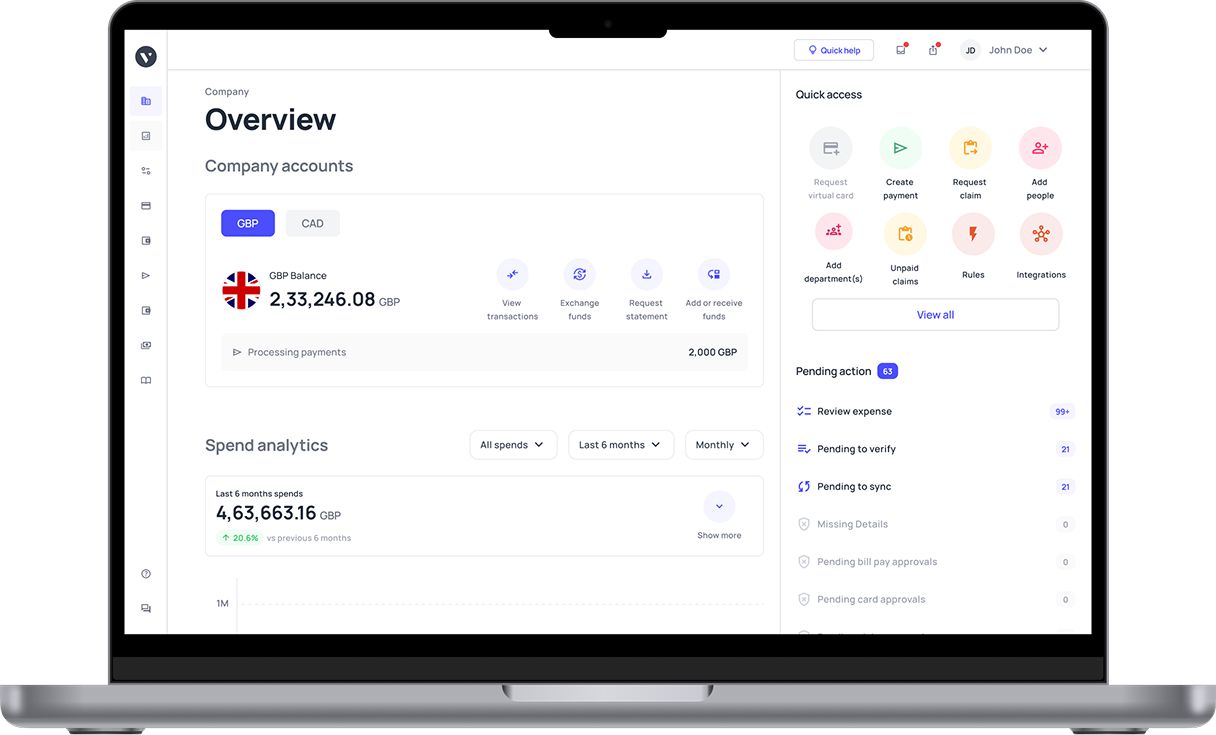















Automate the routine. Control the exceptions.
Payment and customer context
Bring receipts, remittance, invoices, and customer context together before allocation, preserving the source evidence needed for accurate application.
Complex payment allocation
Handle one-to-one, one-to-many, many-to-one, installment, consolidated remittance, and eligible credit-offset scenarios against current open balances.
Payer and account identification
Use bank details, names, remittance, CRM and ERP relationships, historical allocations, and approved aliases to identify the right customer without merging unrelated accounts.
Agent-led exception resolution
Request missing remittance, gather specific payment details, follow up with customers, update the receipt record, and reassess unresolved allocations.
ERP-native execution
Use your chart of accounts, legal entities, dimensions, periods, tax configuration, and document rules to create receipts, allocations, on-account credits, credit or debit documents, and approved adjustments.

Difference management
Handle short payments, overpayments, deductions, discounts, withholding, fees, and eligible currency differences using configured policies and reason codes. Keep residual balances connected to the original receipt through resolution.

Posting verification and recovery
Check document IDs, customer and invoice references, amounts, and remaining balances after accounting actions. Record rejected writes, timeouts, and mapping or permission issues for resolution.
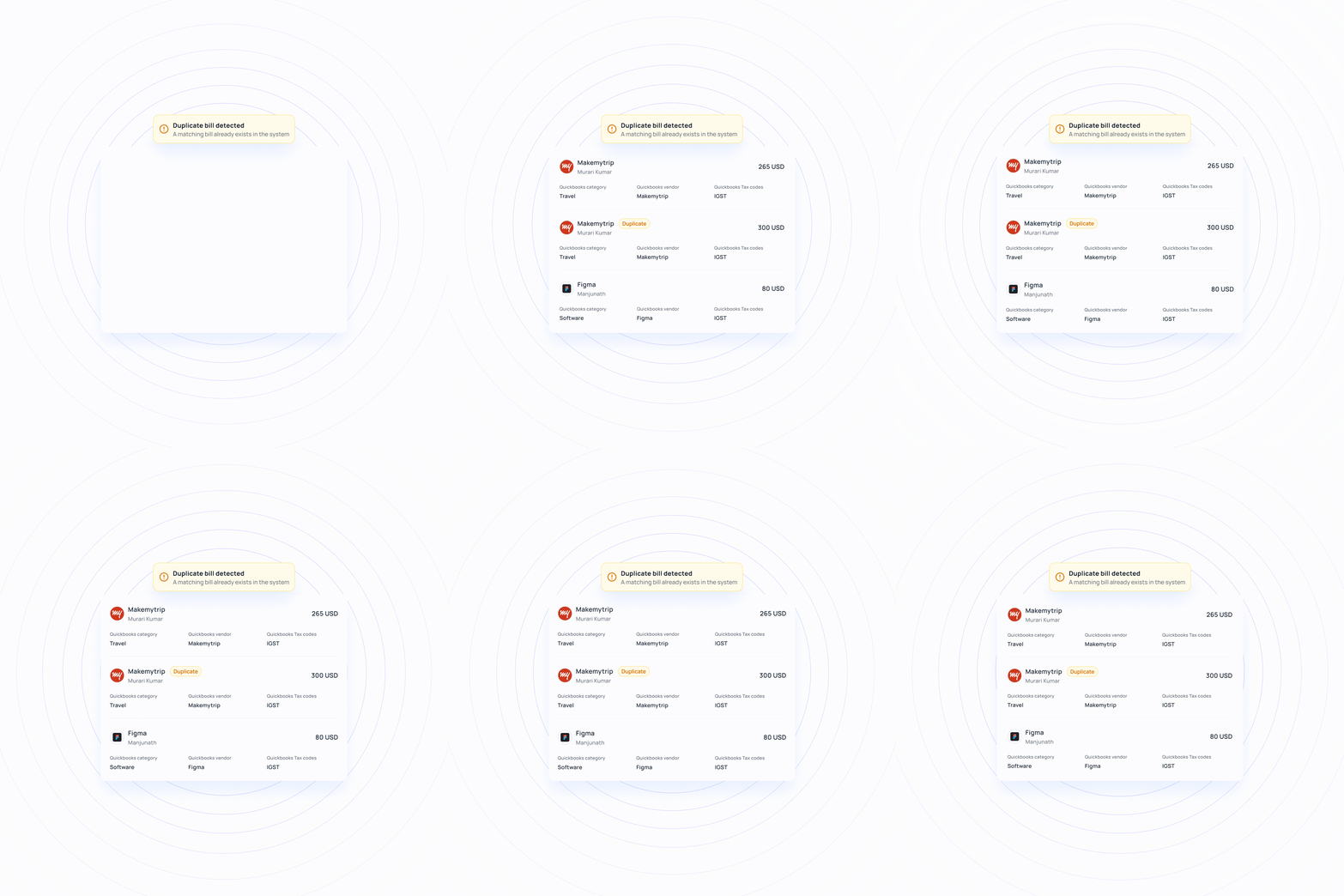
Clear cash faster. Keep every exception under control
Make every application measurable and auditable
Audit trail for every cash application
Every application keeps its receipt, remittance, extracted fields, allocation, policy version, reviewer, timestamps, accounting action, and ERP result in one auditable record, including failed attempts and corrections.
Improve matching with approved corrections
Confirmed analyst corrections can improve future application workflows through suggested payer aliases, extraction improvements, and matching rules. Material changes require approval, while previous versions remain available for review.
Cash application performance reporting
Track receipt-to-clearing time, unapplied cash aging, automation coverage, exception mix, and posting quality to see where payment operations perform well and where unresolved work continues to accumulate.
Automated reconciliation packs
Generate reconciliation packs and operational summaries with filters, as-of dates, and links to underlying documents, giving finance teams a consistent view of application activity for review and investigation.
Cash application use cases for complex receivables
Payment details can be spread across bank records, emails, spreadsheets, portals, and customer conversations.
Volopay keeps the relevant information connected as teams investigate and complete the application.
Parent companies, payment processors, and inconsistent payment references can make payer identification difficult.
Volopay uses account relationships, aliases, and customer context while maintaining entity and currency boundaries.
Repeated receipts, multiple invoice allocations, and recurring application work can consume substantial AR team time.
Volopay supports repeatable application workflows while keeping unresolved balances visible for follow-up.
Workflow-first cash application versus traditional software
Traditional cash application | Volopay cash application |
|---|---|
Payment data sits across multiple sources | Payment, remittance, invoice, and customer context stay connected |
Matching relies on rules and references | Matching uses rules, tolerances, relationships, and confidence thresholds |
Payment differences need separate investigation | Short-pays, deductions, overpayments, fees, and withholding have defined treatments |
Posting errors require manual follow-up | Postings are verified, with failures routed for recovery |
Application history sits across separate records | Application activity, accounting actions, and ERP results remain in the audit record |
Workflow-first cash application versus traditional software
Traditional cash application | Volopay cash application |
|---|---|
Payment data sits across multiple sources | Payment, remittance, invoice, and customer context stay connected |
Matching relies on rules and references | Matching uses rules, tolerances, relationships, and confidence thresholds |
Payment differences need separate investigation | Short-pays, deductions, overpayments, fees, and withholding have defined treatments |
Posting errors require manual follow-up | Postings are verified, with failures routed for recovery |
Application history sits across separate records | Application activity, accounting actions, and ERP results remain in the audit record |
They loved Volopay, you will too
FAQs
Volopay brings payment, remittance, invoice, and customer context together, then applies configured matching rules and allocation policies. Unresolved cases receive further investigation, supporting evidence, and finance review when judgment or approval is required.
Volopay supports one-to-one, one-to-many, many-to-one, installment, consolidated remittance, and eligible credit-offset scenarios. Candidate allocations are checked against current open balances before execution.
Volopay can create a linked request when remittance is missing, ask customers for invoice references or payment advice, and follow up under policy. New information updates the same receipt and re-triggers eligibility checks.
For short-pays, Volopay can apply the supported amount and retain the residual against the invoice. Overpayments can remain on account or become eligible credits. Refund approval and payment remain separate actions.
When multiple allocations remain plausible, Volopay surfaces the uncertainty or requests more remittance rather than forcing a match. Cases requiring judgment can retain supporting evidence and move to finance review.
Human review can apply to low-confidence matches, material adjustments, write-offs, tolerance exceptions, sensitive actions, cross-entity transfers, refunds, and other decisions requiring configured approval.
Bring Volopay to your business
Get started now