AR software that knows when to stop
Automate routine AR work while directing exceptions to the right people with evidence, ownership, and a clear next step.
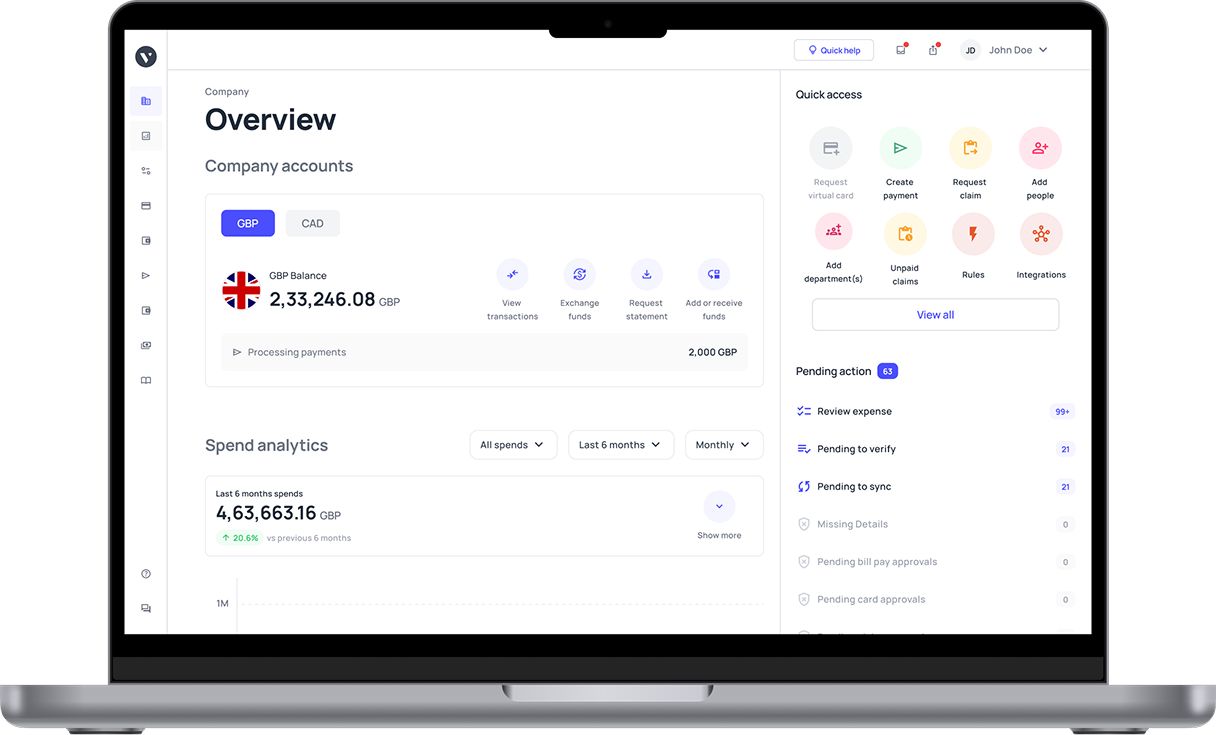















Infrastructure for controlled autonomy
Billing readiness checks
Catch missing POs, approvals, customer requirements, and configured invoice information before they hold up collection. For UK receivables, this can help finance identify incomplete invoice records before they move further into the collection process.
Context-driven collections
Prioritise open receivables using customer history, promises, disputes, and current account context. Your team spends less time rebuilding the reason behind every follow-up.
Cash application with exact-match logic
Apply deterministic matching and approved rules first. You only send ambiguous, material, or low-confidence residuals to people when judgement is genuinely required.
Assign every dispute to the right owner
Detect and classify short payments or deductions, attach the supporting evidence, and route each case to the right owner before it ages.
AI finance agents with defined authority
Configure Finance Agents around the rules, roles, and authority you already use. Let routine work progress automatically, while anything outside your approved boundaries stays with the people you've authorised to decide.

One view across every open receivable
Don't rely on ageing balances alone. Instead, review exception patterns, resolution status, reconciliation activity, and relevant forecasting inputs together. Finance gets a clearer view of where receivables are getting stuck.

No rip-and-replace, ever
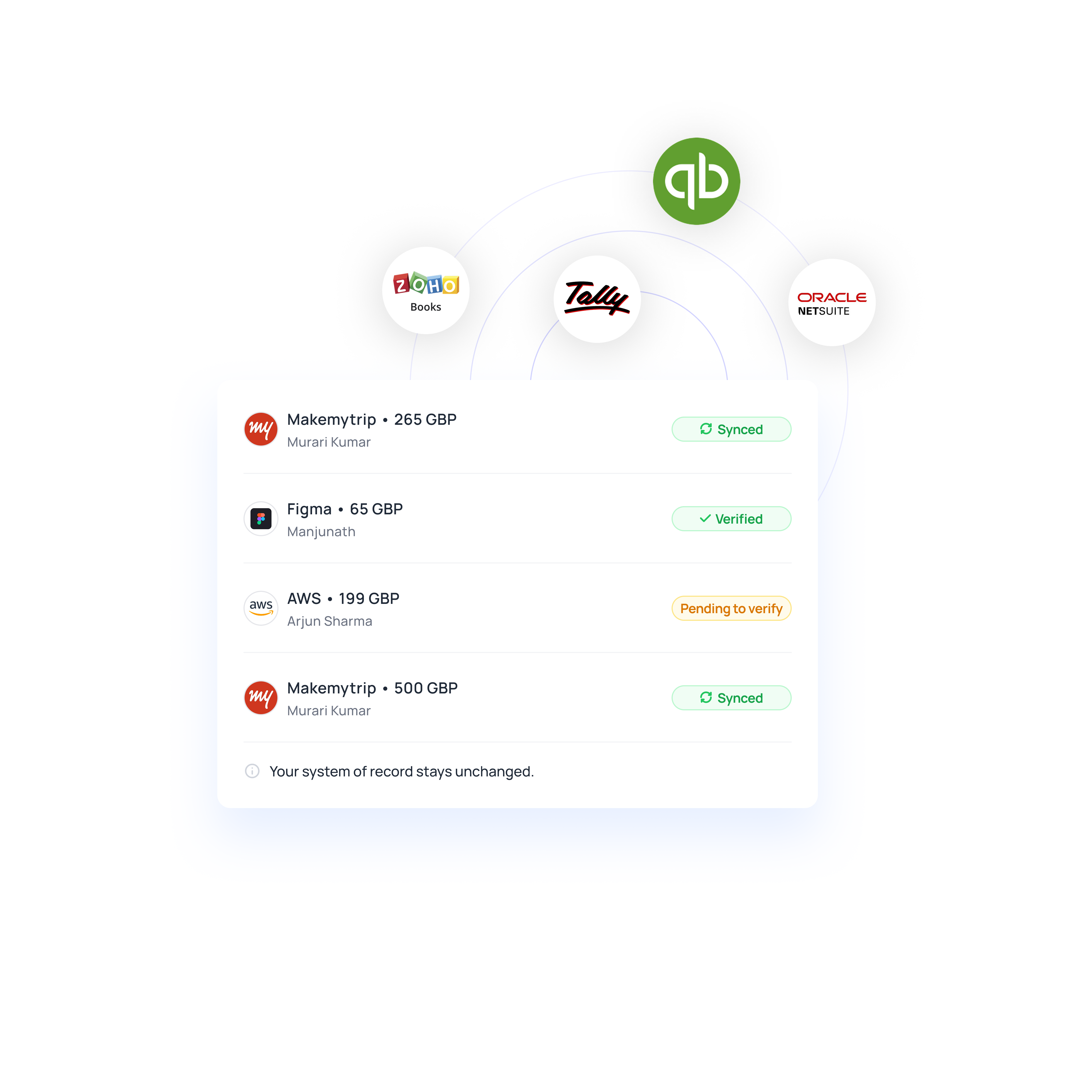
Volopay operates as a layer on top of your existing ERP, bank, and CRM. We don't replace any of them. You define which system owns each object while Volopay coordinates the actions, evidence, and handoffs between them.
Turn complex receivables into seamless workflows
The decision engine behind AR
Workflow-scoped configuration
Volopay is configured around a defined AR workflow, including its existing rules, exception paths, and authority structure. The initial scope stays specific enough to test against how the process operates in practice.
Representative-case validation
Normal transactions and exception scenarios are tested before broader rollout, giving finance a realistic view of how automation behaves across routine cases, edge conditions, and situations requiring judgement.
Controlled parallel deployment
Compare automated outcomes with your existing baseline across cycle time, manual effort, exception age, and posting failures. Measure the operation instead of relying on generic automation claims.
Evidence-based scaling
Additional workflows are added only once measured results from the first deployment justify the next step. Scope grows in line with proven value, not a predetermined rollout timeline.
Built for complex receivables workloads
Large customer books make manual prioritisation expensive fast. Use collections automation to organise open receivables around account context, promises, disputes, and agreed rules before collector effort gets spread too thin.
A UK customer may settle several invoices in one payment while sending remittance separately to finance. Volopay handles deterministic matches first, then packages unclear references, short payments, or residual balances for review when judgement is required.
A customer pays less than invoiced and references a service issue, pricing query, or missing supporting document. Volopay keeps the deduction, available evidence, owner, and next action connected while the undisputed balance continues through the AR workflow.
Why go the Volopay way?
Manual/legacy approach | The Volopay approach |
|---|---|
Collectors decide who to chase based on memory or gut feel | Prioritisation runs on account context, payment history, and existing rules |
Remittance and payment data arrive separately and get matched by hand | Exact matches post automatically; only genuine exceptions reach a person |
Disputes and short-pays sit in email until someone has time | Every case is classified and routed to the right owner with evidence attached |
AR data lives across ERP, bank, and CRM, checked one system at a time | Billing, collections, cash application, and disputes stay visible in one workflow |
Automation claims apply everywhere, accuracy unverified | Performance is measured against your baseline, workflow by workflow, before expanding |
They loved Volopay, you will too
FAQs
Volopay automates recurring work across billing, collections, cash application, and disputes. It progresses routine actions under customer-defined rules, surfaces exceptions with evidence, and keeps human approval in place where judgment or material financial decisions are required.
Yes. Volopay prioritizes receivables using account context and agreed rules, brings customer history, promises, and disputes together, and can progress permitted follow-ups. Strategic accounts, negotiated payment plans, legal issues, and material concessions remain with human owners.
Volopay combines payment and available remittance context, applies exact-match logic and approved customer rules first, then uses reasoning for ambiguous residual cases. Low-confidence, material, or sensitive matches are routed for human review with supporting evidence preserved.
Volopay detects and classifies dispute or deduction signals, gathers supporting evidence, assigns the case to the appropriate owner, and tracks missing information through resolution. Material validity decisions, concessions, write-offs, credit changes, and unusual contractual interpretations remain human-controlled.
No. Volopay is designed as an operating layer around existing systems, including ERP, banks, email, remittance sources, CRM, portals, and spreadsheets. It connects the data and actions each workflow needs while keeping the existing system of record intact.
Volopay uses AI Finance Agents within defined rules, roles, and authority. Deterministic logic handles exact conditions first, customer-specific rules handle known policies, and agentic reasoning supports ambiguous cases. Material judgment, low-confidence outcomes, and sensitive risks remain with humans.
Bring Volopay to your business
Get started now